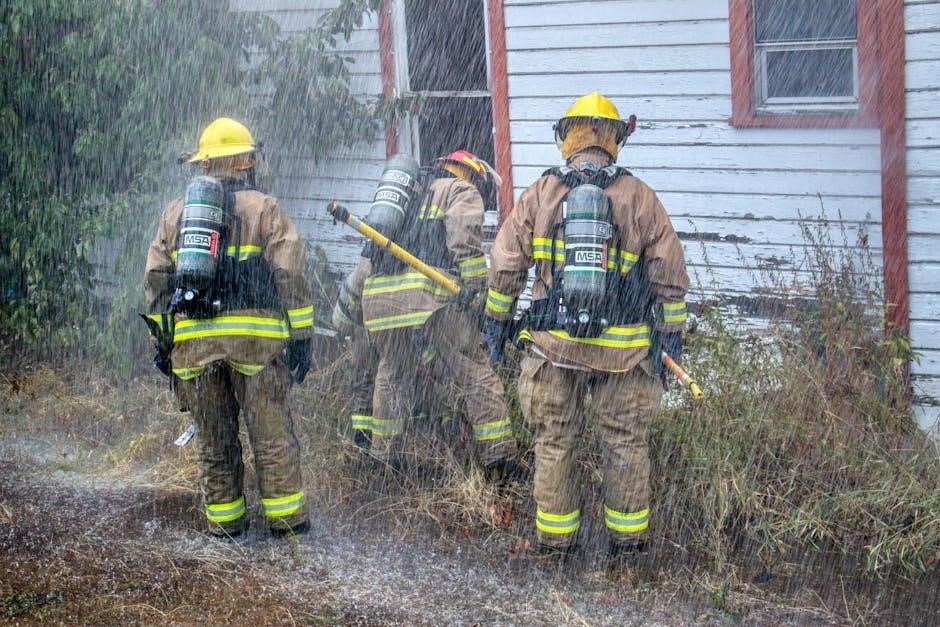
MSA G1 SCBA Manual: A Comprehensive Guide

This manual details the MSA G1 SCBA, a leading respiratory protection system certified to NFPA and NIOSH standards․ It covers operation, maintenance, and safety procedures․
The MSA G1 SCBA represents a significant advancement in firefighter safety technology․ Introduced in 2016, it quickly became the first SCBA certified to the stringent NFPA 1981 standard․ Designed with a focus on user comfort and reliability, the G1 platform offers integrated solutions for modern fire service needs․
This SCBA prioritizes clear communication and enhanced performance, exceeding expectations for current and future demands․ Continuous innovation, driven by evolving customer requirements, ensures the G1 remains at the forefront of respiratory protection․ It’s a system built for the challenges faced by today’s firefighters․
Key Features and Benefits
The MSA G1 SCBA boasts several key features enhancing firefighter safety and operational effectiveness․ These include its robust design, certified to NFPA 1981:2018 and NIOSH standards, ensuring reliable respiratory protection․ The integrated TIC option provides crucial thermal imaging capabilities directly within the SCBA system․
Furthermore, the G1’s compatibility with the A2 Accountability Control Software improves incident management․ Benefits encompass improved comfort, simplified operation, and enhanced situational awareness, ultimately contributing to safer and more efficient firefighting operations․
NFPA 1981:2018 and NIOSH 42 CFR Part 84 Compliance
The MSA G1 SCBA is rigorously tested and certified to meet the stringent requirements of NFPA 1981:2018, the latest standard for SCBA performance․ This certification assures users of its reliability and effectiveness in hazardous environments․
Additionally, the G1 SCBA complies with NIOSH 42 CFR Part 84, demonstrating adherence to national respiratory protection standards․ These certifications validate the SCBA’s ability to provide a safe and dependable breathing air supply, crucial for firefighter well-being and operational success․
G1 SCBA XR Edition Enhancements
The MSA G1 SCBA XR Edition represents a significant advancement in firefighter safety, incorporating enhancements designed to address evolving NFPA 1970 standards, effective since September 18, 2024․ These improvements focus on durability, usability, and overall performance․
The XR Edition builds upon the G1 platform’s established reliability, offering increased protection and comfort for firefighters․ These updates reflect MSA’s commitment to continuous innovation and providing cutting-edge respiratory protection solutions for the fire service․
Addressing NFPA 1970 Standards
The G1 SCBA XR Edition directly responds to the updated NFPA 1970 standard, enhancing firefighter safety through improved design and performance․ Key changes addressed include increased requirements for structural integrity and operational functionality in demanding fireground conditions․
MSA proactively integrated these standards into the XR Edition, ensuring compliance and exceeding expectations․ This commitment provides fire departments with a reliable SCBA solution that meets the latest safety regulations and protects personnel effectively․
Components of the MSA G1 SCBA

The MSA G1 SCBA comprises several critical components working in unison to deliver breathable air․ These include a robust backframe and harness system for secure fit and weight distribution, a high-pressure air cylinder providing extended air supply, and a reliable connection for seamless integration․
Furthermore, the regulator delivers a consistent airflow to the facepiece, ensuring optimal breathing comfort and protection․ Each component is engineered for durability and performance, contributing to the overall reliability of the G1 SCBA․
Backframe and Harness System
The G1 SCBA’s backframe and harness are designed for exceptional comfort and stability during strenuous operations․ Constructed with lightweight, yet durable materials, the system distributes weight evenly, reducing fatigue․
Adjustable shoulder straps, waist belt, and sternum strap ensure a secure and personalized fit for a wide range of body types․ This robust design minimizes movement and maximizes freedom of motion, enhancing firefighter safety and efficiency in challenging environments․
Air Cylinder and Connection
The MSA G1 SCBA accommodates various cylinder sizes, offering extended duration capabilities to meet diverse operational needs․ Cylinders are constructed from lightweight, high-strength materials, ensuring durability and portability․
A robust, quick-connect system facilitates rapid and secure cylinder attachment․ This connection is designed for leak-proof performance and ease of operation, even with gloved hands․ Regular inspection of the cylinder valve and connection point is crucial for maintaining system integrity and user safety․
Regulator and Facepiece Connection
The MSA G1 SCBA’s regulator delivers a consistent and reliable airflow to the facepiece, ensuring breathable air in hazardous environments․ A secure, quick-connect mechanism firmly attaches the regulator to the facepiece, preventing accidental disconnection during operation․

This connection is designed for minimal dead space and optimal breathing performance․ Regular checks of the connection’s integrity and the facepiece seal are vital to guarantee a positive pressure seal and protect the user from contaminant exposure․
Operating Procedures
Proper operation of the MSA G1 SCBA is crucial for firefighter safety․ This section details essential procedures, beginning with a thorough pre-use inspection checklist to verify all components function correctly․

Detailed instructions for donning and doffing the SCBA are provided, emphasizing a secure and comfortable fit․ Emergency procedures outline actions to take in situations like regulator failure or rapid air consumption, ensuring a swift and safe response․
Pre-Use Inspection Checklist
A comprehensive pre-use inspection is vital before each use of the MSA G1 SCBA․ This checklist includes verifying the air cylinder pressure, checking for damage to the backframe and harness, and ensuring the regulator operates smoothly․
Inspect the facepiece for proper seal and lens integrity․ Confirm the PASS device functionality and check all connections for tightness․ Documenting this inspection ensures accountability and identifies potential issues before entering an IDLH atmosphere․
Donning and Doffing Procedures
Proper donning and doffing are crucial for SCBA effectiveness and user safety․ Donning involves a sequence of steps: loosen harness, place SCBA, tighten harness, perform a seal check, and activate the air supply․
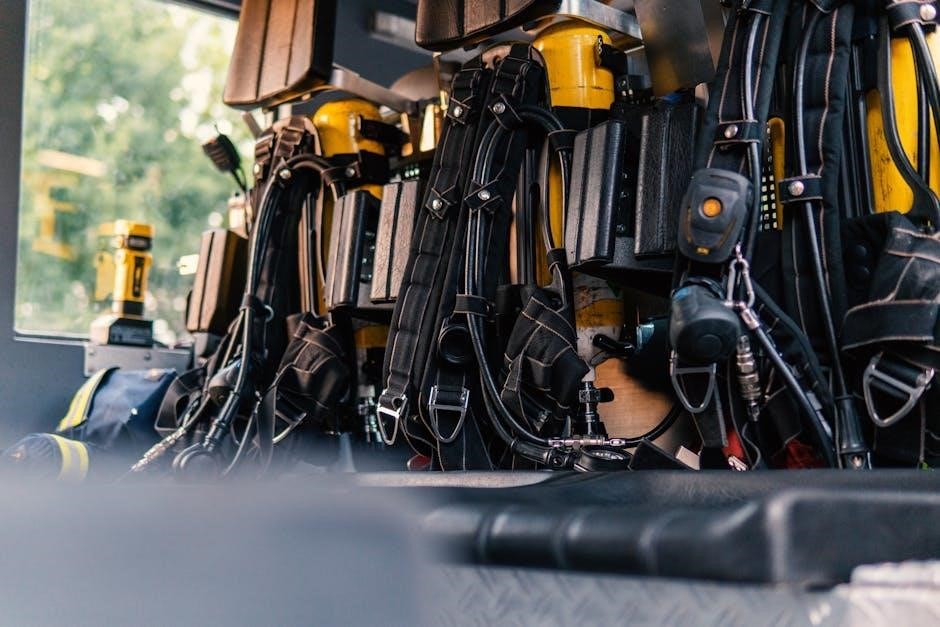
Doffing requires a controlled process – deactivate air supply, loosen harness, carefully remove the SCBA, and inspect for contamination․ Always follow established protocols and ensure a safe environment during both procedures to prevent accidental exposure․
Emergency Procedures
In emergency situations, rapid response is vital․ If experiencing air supply failure, immediately activate the emergency escape system and follow established evacuation protocols․ Buddy breathing may be necessary, but requires proper training and assessment of the situation․
For regulator malfunctions, attempt to switch to the alternate air source․ Communicate your distress and location clearly․ Regular emergency drills are essential to ensure proficiency in these critical procedures, maximizing user safety and operational effectiveness․
Integrated Thermal Imaging Camera (TIC)
The G1 SCBA’s integrated TIC enhances situational awareness, allowing firefighters to see through smoke and darkness․ This breakthrough technology provides critical thermal imagery directly within the SCBA system, improving navigation and victim location․ The TIC offers real-time temperature readings and customizable display settings․
Benefits include increased safety, faster decision-making, and improved operational efficiency․ Proper training is crucial to effectively interpret thermal images and integrate TIC data into overall fireground operations, maximizing its protective capabilities․
G1 Integrated TIC Functionality
The G1 Integrated TIC seamlessly displays thermal imagery within the firefighter’s field of vision, minimizing head movement and maximizing focus; It features adjustable brightness and contrast, alongside selectable color palettes for optimal viewing in various fire conditions․ The TIC’s intuitive interface allows for quick access to critical temperature readings and scene assessment․
Data is transmitted wirelessly, ensuring a clear and reliable connection․ The system’s robust design withstands harsh environments, providing dependable performance when it matters most, enhancing overall firefighter safety and operational effectiveness․
Benefits of Integrated Thermal Imaging
Integrated thermal imaging significantly improves situational awareness, allowing firefighters to quickly identify heat sources and potential hazards in low-visibility environments․ This leads to faster, more informed decision-making, enhancing rescue operations and minimizing risk; The hands-free operation frees up firefighters to focus on critical tasks․
Reduced head movement minimizes fatigue and improves balance, while the direct line-of-sight display provides a natural viewing experience․ Ultimately, the G1 TIC boosts firefighter safety and operational efficiency, delivering a crucial advantage on the fireground․
A2 Accountability Control Software
The A2 system provides real-time location tracking of firefighters, enhancing incident command and personnel safety․ It integrates seamlessly with the G1 SCBA, transmitting data wirelessly to a central command unit․ Features include individual firefighter tracking, rapid intervention team (RIT) capabilities, and zone management․
A2 streamlines accountability processes, reducing errors and improving response times․ The software offers a user-friendly interface for clear visualization of firefighter locations and status․ This integration is vital for maintaining situational awareness and ensuring effective rescue operations․
System Overview and Features
The A2 Accountability Control Software is a comprehensive system designed for firefighter safety and incident management․ It utilizes radio frequency identification (RFID) technology to track each firefighter’s location in real-time․ Key features include a robust command console, displaying personnel status and location on a building layout․
The system supports multiple zones, allowing incident commanders to monitor firefighter movement within designated areas․ A2 also provides alerts for low air pressure and emergency situations, enhancing rapid intervention capabilities․ Its intuitive interface simplifies operation, even in high-stress environments․
Integration with SCBA Operation

The A2 Accountability Control Software seamlessly integrates with the MSA G1 SCBA, utilizing the SCBA’s integrated RFID tag․ Upon donning the G1 SCBA, firefighters are automatically registered within the A2 system, transmitting their unique identifier․ This integration eliminates manual logging, reducing errors and streamlining the accountability process․
The system monitors SCBA air pressure, relaying critical data to the command console․ Low air alerts are instantly communicated, enabling timely air replenishment or evacuation․ A2’s compatibility with the G1 TIC further enhances situational awareness, providing a holistic view of firefighter safety․
Maintenance and Care
Regular maintenance is crucial for ensuring the MSA G1 SCBA’s reliability and performance․ A routine schedule, detailed in the manual, outlines inspection and testing procedures․ Cleaning and disinfection are essential after each use, utilizing approved solutions to prevent contamination․ Annual flow testing and cylinder hydrostatic testing are mandatory, performed by qualified personnel․
Proper storage extends the SCBA’s lifespan; keep it in a clean, dry environment․ Inspect all components for damage, replacing worn or faulty parts promptly․ Adhering to the maintenance schedule guarantees optimal protection for firefighters․
Routine Maintenance Schedule
The MSA G1 SCBA requires a tiered maintenance approach․ Daily checks include visual inspections for damage and proper function of all components․ Weekly, perform a thorough inspection of the harness, regulator, and facepiece, documenting findings․ Monthly, conduct a full flow test to verify regulator performance and cylinder pressure․
Annually, a qualified technician must perform comprehensive testing, including hydrostatic testing of cylinders․ Maintain detailed records of all maintenance activities․ Following this schedule ensures consistent reliability and firefighter safety․
Cleaning and Disinfection Procedures
After each use, thoroughly clean the MSA G1 SCBA facepiece with mild soap and water, rinsing completely․ Inspect for cracks or damage before disinfecting with an approved solution․ The regulator should be wiped down with a damp cloth, avoiding harsh chemicals․ Harnesses can be cleaned with a mild detergent and allowed to air dry․
Always follow the manufacturer’s instructions for disinfection solutions․ Ensure proper ventilation during cleaning․ Regular cleaning prevents contamination and extends the SCBA’s lifespan, maintaining optimal performance and user safety․
Troubleshooting Common Issues
Low air pressure can stem from a faulty cylinder valve or regulator malfunction; verify cylinder pressure and check connections․ Regulator issues, like free-flowing or insufficient airflow, may require professional repair․ Inspect the facepiece seal for proper fit, as leaks reduce pressure․
If the TIC malfunctions, check battery connections and ensure proper operation․ Always consult a qualified technician for complex problems․ Never attempt repairs beyond basic inspections; prioritize safety and proper functionality․

Low Air Pressure Problems
Unexpectedly low air pressure during operation demands immediate attention․ First, confirm the cylinder is fully opened and hasn’t been damaged․ Check regulator connections for tightness and inspect for any visible leaks․ A malfunctioning regulator can cause a pressure drop, requiring professional servicing․
Ensure the facepiece seal is secure to prevent air loss․ Monitor the pressure gauge consistently and be prepared to activate emergency procedures if pressure continues to decline․
Regulator Malfunctions

Regulator issues can manifest as erratic pressure readings, whistling sounds, or difficulty breathing․ Immediately assess the situation and switch to a backup SCBA if available․ Inspect the regulator for damage, debris, or ice buildup․ A frozen regulator can restrict airflow, especially in cold environments․
Do not attempt field repairs on the regulator; return it to an authorized MSA service center for professional evaluation and repair․ Proper maintenance is crucial to prevent malfunctions․
Training and Certification
Comprehensive training is essential for safe and effective G1 SCBA operation․ Recommended programs cover donning/doffing, pre-use checks, emergency procedures, and regulator function․ Certification requirements typically align with NFPA 1981 and local regulations, ensuring users demonstrate competency․
Regular refresher courses are vital to maintain proficiency․ MSA offers specialized training resources, and authorized instructors provide hands-on experience․ Proper certification validates a user’s ability to protect themselves and others․
Recommended Training Programs
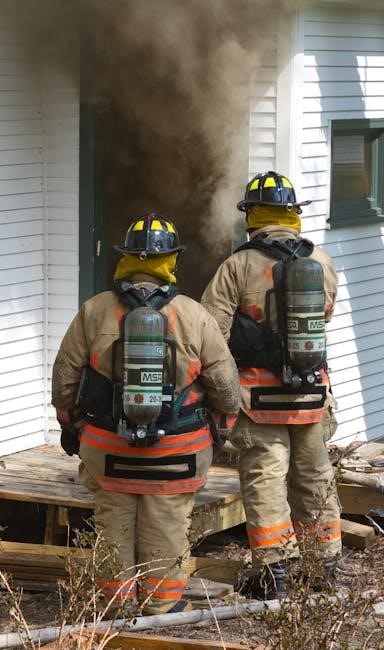
MSA provides a tiered training approach for the G1 SCBA, starting with basic operation and progressing to advanced techniques․ Initial training focuses on donning/doffing, pre-use inspections, and emergency procedures․ Refresher courses reinforce skills and introduce updates․
Specialized modules cover integrated TIC functionality and A2 accountability software․ Hands-on drills are crucial for building confidence and proficiency․ Authorized training centers offer certified instruction, ensuring compliance with NFPA standards․
Certification Requirements
Successful completion of an MSA-authorized training program is essential for G1 SCBA certification․ Trainees must demonstrate competency in all operational aspects, including pre-use checks, donning procedures, and emergency drills․
Certification validates the user’s ability to safely and effectively utilize the SCBA․ Annual refresher training and re-certification are often mandated by fire departments and safety regulations․ Adherence to NFPA 1981 and NIOSH standards is paramount for maintaining certification validity․
MSA G1 SCBA Manual Resources
Comprehensive resources for the MSA G1 SCBA are readily available to support users․ The 2018 Edition Manual provides detailed guidance on all aspects of the SCBA․ Additionally, a dedicated Air-Purifying Respirator (APR) Operating Manual is accessible for related equipment․
Users can also find the A2 Accountability Control Software operating manual online․ MSA Safety provides these resources to ensure safe and effective SCBA operation, promoting user knowledge and adherence to safety protocols․ Accessing these materials is crucial for proper training and maintenance․
Accessing the 2018 Edition Manual
The MSA G1 SCBA 2018 Edition Manual is a vital resource for all operators and maintenance personnel․ Users can typically access this document through the MSA Safety website, often located within the support or product documentation sections․ Direct links may also be provided by authorized MSA distributors․
Ensure you download the official manual to guarantee accurate and up-to-date information regarding the SCBA’s operation, maintenance schedules, and safety guidelines․ Regularly reviewing this manual is crucial for maintaining competency and safe practices․
Air-Purifying Respirator (APR) Operating Manual
The G1 Air-Purifying Respirator (APR) Operating Manual provides detailed instructions for utilizing the APR functionality of the MSA G1 system․ This manual outlines proper cartridge selection based on the specific hazard, ensuring adequate respiratory protection․ It covers donning, doffing, fit-checking, and maintenance procedures specific to the APR mode․
Users must thoroughly understand the limitations of APRs and adhere to the guidelines outlined in the manual for safe and effective operation․ Refer to the manual for compatibility information regarding filters and cartridges․