
Camera Overview
The Nikon D200 is a 10.2‑megapixel DSLR that balances performance and affordability. Its manual offers detailed guidance on setup, lens mounting, exposure controls, autofocus operation, and maintenance. Users learn to navigate menus, adjust settings, and troubleshoot common issues. It simplifies complex functions
Key Specifications
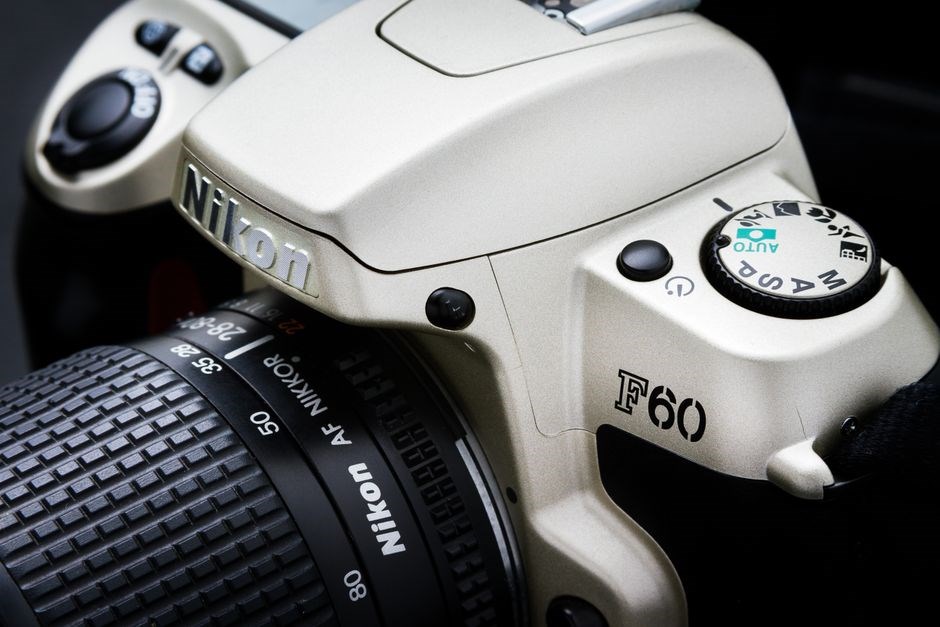
Technical details include a 1/2‑inch CCD sensor with a 1.5× optical viewfinder, a 2‑second shutter lag. The camera’s ISO 100–6400 range can be extended to ISO 200–6400 with the optional 3‑step ISO mode. The built‑in pop‑up flash offers a 12‑stop guide number, and the hot‑shoe supports E‑TTL flash. The camera’s CompactFlash Type I/II slot supports both CF and CF‑II cards, providing ample storage for images. HD!!

Power and Battery
The Nikon D200 uses a rechargeable EN-EL1 battery, delivering about 500 shots per charge. The manual details proper insertion, charging times, and battery health checks. It also covers power‑saving modes and how to use the camera’s power feature efficiently.
Batterylife depends!
Battery Types
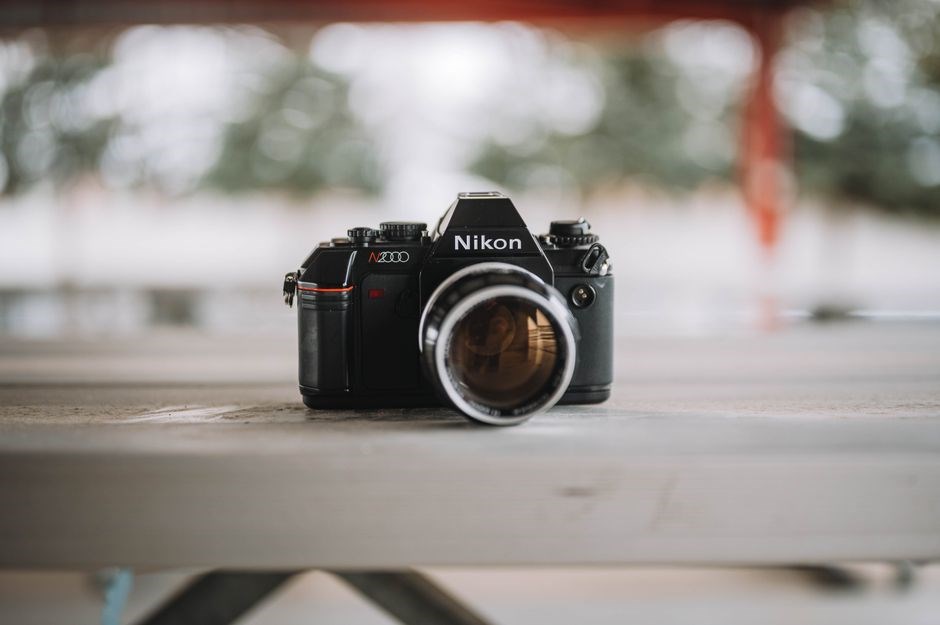
The Nikon D200 is powered by the EN‑EL1 rechargeable lithium‑ion battery, which offers a balance of capacity and weight suitable for both casual shooting and extended fieldwork. The instruction manual details how to insert the battery, ensuring the contacts align correctly, and how to check the battery status via the camera’s LCD or viewfinder display. It explains that the EN‑EL1 provides approximately 500 shots per full charge under typical shooting conditions, though actual performance may vary with temperature, shutter speed, and use of power‑intensive features such as the built‑in flash or continuous autofocus.
For users needing extended shooting time, the manual recommends carrying a spare EN‑EL1 or a compatible third‑party battery that meets Nikon’s specifications. It also covers the use of the Nikon EN‑EL1 charger, noting the recommended charging time of 2–3 hours for a full charge and the importance of using the supplied charger to avoid damage. The manual advises against using non‑Nikon chargers or batteries, as they may not provide the correct voltage or may lead to battery degradation.
Additionally, the guide explains how to monitor battery health by observing the battery icon on the LCD, which changes color to indicate low or critical levels. When the battery icon turns red, the manual instructs the user to replace or recharge the battery immediately to prevent sudden power loss during critical moments. By following these guidelines, users can maintain optimal power management and ensure reliable performance from their Nikon D200.
The D200’s battery life extends by turning off the display when not needed, using battery saver mode, and keeping spare batteries charged. Users should fully discharge and recharge the battery to maintain accurate readings. This ensures consistent performance!!
Shooting Modes and Settings
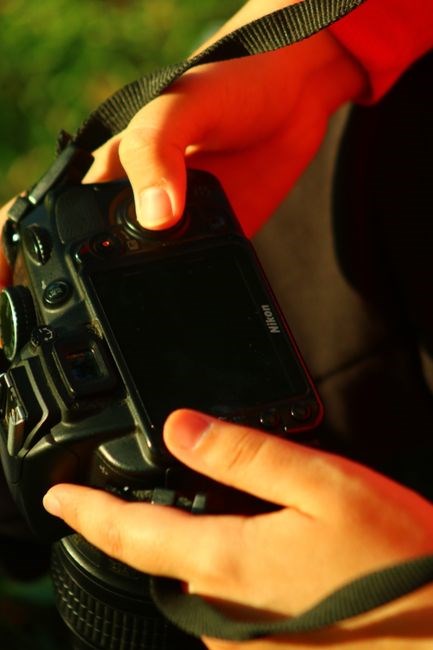
The Nikon D200 offers Auto, Program, Aperture Priority, Shutter Priority, and Manual modes, each accessible via the mode dial. Users can fine‑tune ISO, white balance, exposure compensation, and focus points through the menu system, ensuring precise control over image quality. Settings via menu for precise control
Exposure Modes
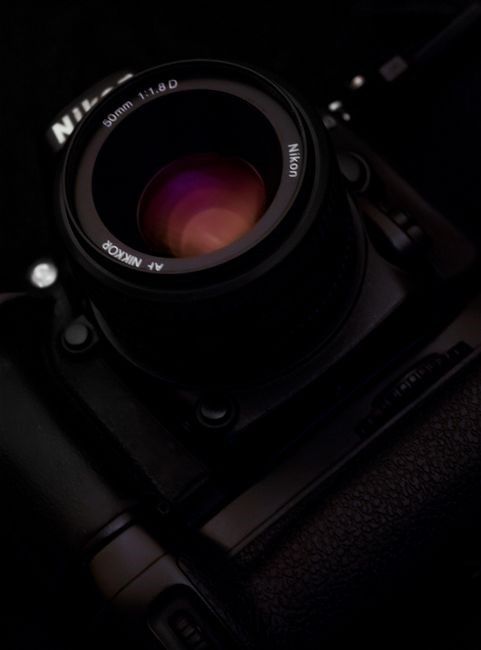
The Nikon D200’s exposure system is engineered to serve both novices and experienced photographers alike. It offers five primary modes—Auto, Program, Aperture Priority, Shutter Priority, and Manual—each easily selected via the mode dial. Auto mode automatically balances shutter speed, aperture, and ISO for quick, hassle‑free shots, making it ideal for spontaneous moments. Program mode lets the camera choose a balanced combination while still allowing the user to tweak exposure compensation, providing creative flexibility without sacrificing convenience.
Aperture Priority (Av) grants control over depth of field: by choosing an aperture, the camera calculates the appropriate shutter speed to maintain correct exposure, which is especially useful for portrait and landscape work where background blur is desired. Shutter Priority (Tv) does the opposite, letting the photographer set a specific shutter speed to freeze or blur motion; the camera then adjusts the aperture accordingly. Manual mode provides full control over both aperture and shutter speed, enabling seasoned users to craft precise exposure settings for challenging lighting conditions.
Each mode can be refined with the camera’s exposure compensation feature, ranging from –3 to +3 stops in 1/3‑stop increments. Users can also set custom ISO values, allowing the D200 to adapt to low‑light environments while maintaining image quality. The exposure modes are accessible via the mode dial, and the camera’s on‑screen display provides real‑time feedback, ensuring that the chosen settings produce the desired exposure outcome. This combination of flexibility and guidance makes the D200 a versatile tool for photographers who want to experiment with creative exposure techniques while still having reliable automatic support when needed.

Autofocus System
The Nikon D200 features an 11‑point autofocus system with a central cross‑type sensor for precise focusing. It supports single‑shot and continuous AF, automatically tracking moving subjects. The system offers fast, accurate focus in various lighting, enhancing image sharpness. It supports face detection for portraits.
AF Modes
The Nikon D200’s autofocus system offers three primary modes that cater to a range of shooting scenarios. In Single‑Shot AF, the camera locks focus once the shutter button is pressed halfway, making it ideal for stationary subjects such as portraits or still life. The system then maintains focus until the shot is taken, ensuring consistent sharpness. Continuous AF, also known as AI Servo, tracks moving subjects by continuously adjusting focus as long as the shutter button is pressed halfway. This mode is perfect for sports, wildlife, or any action where the subject’s position changes rapidly. The camera’s 11‑point AF array, with a central cross‑type sensor, provides accurate focus across the frame, and the cross sensor’s sensitivity to both horizontal and vertical detail enhances performance in low‑light conditions. For situations where the subject is close to the camera, the D200 includes a Close‑Focus AF mode that automatically switches to a more suitable focus distance, preventing the camera from over‑focusing on a near target. Additionally, the camera supports a Face‑Detection AF mode that identifies human faces and prioritizes focus on them, which is especially useful for candid photography. The AF modes can be accessed via the camera’s custom function menu, allowing photographers to quickly toggle between Single‑Shot, Continuous, and Face‑Detection modes. The D200’s AF system also features a “Focus‑Mode” switch on the back of the camera for rapid changes during shooting, and the “AF‑Assist” LED illuminates in low‑light to aid focus acquisition. The combination of these modes gives users flexibility and control, enabling them to capture sharp images whether shooting still

Flash and Lighting
The D200’s built‑in flash offers 3.5‑m ISO‑equivalent guide number, with 5‑step zoom and 2‑step power adjustment. It supports red‑eye reduction, slow sync, and flash exposure compensation. External hot‑shoe allows E‑TTL flash for advanced lighting control. Sync works on wide lenses!!!
Built-in Flash
The Nikon D200’s built‑in flash is a compact, versatile light source that delivers a 3.5‑meter guide number at ISO 100, making it suitable for close‑up portraits, indoor events, and low‑light street photography. It offers five discrete power levels—full, ½, ¼, ⅛, and ⅙—allowing the photographer to fine‑tune illumination without sacrificing depth of field or shutter speed. The flash also features a two‑step zoom that automatically matches the focal length of the attached lens, ensuring even exposure across wide‑angle to telephoto shots. Red‑eye reduction is built‑in, emitting a pre‑flash pulse to constrict pupils before the main burst, while slow sync mode is available on compatible lenses, enabling the camera to open the shutter fully while the flash fires, which is ideal for capturing background detail in low‑light scenes. The flash can be used in E‑TTL mode, communicating with compatible external flashes for precise metering and balanced output. Power consumption is modest, helping the D200 maintain battery life during long shoots. Maintenance involves cleaning the flash contacts and lens mount to prevent dust buildup. If the flash fails to fire, check settings, battery level, and ensure it isn’t set to “off.” The manual lists troubleshooting steps for low power warnings, flickering, and delayed firing, offering reset procedures and firmware updates to resolve issues. Additionally, the camera’s memory can be cleared to resolve errors.
The flash’s guide number remains constant across all power settings, ensuring predictable lighting for consistent results.
For everyday use daily
Maintenance and Troubleshooting
Keep the D200’s sensor clean with a soft brush and lens cleaning kit. Check battery contacts for corrosion, and replace the battery when capacity drops. If the camera freezes, reset settings via menu. For persistent errors, consult Nikon’s online support or service center. Remember to update firmware for optimal performance.!
Cleaning
Proper cleaning of the Nikon D200 preserves image quality and extends the camera’s life. Begin by powering off the body and removing the battery and memory card. Use a blower brush to dislodge dust from the sensor, lens mount, and interior. Never touch the sensor with your fingers; instead, use a dedicated sensor cleaning kit with a microfiber pad and sensor‑safe fluid. Apply fluid to the pad, not directly to the sensor, and gently wipe in a single direction. For the lens, use a lens cleaning solution and a soft brush to remove smudges, then a microfiber cloth for a streak‑free finish. The camera’s exterior can be wiped with a mild detergent or a camera‑safe cleaner. Inspect the shutter button and dials for debris; a small brush can clear these areas. After cleaning, reinsert the battery and card, and perform a quick test shot to ensure no dust spots remain. Regular cleaning—every 3–6 months for indoor use, more often for outdoor or dusty environments—keeps the D200’s performance optimal. Always follow Nikon’s recommended cleaning procedures to avoid damage to sensitive components.
When cleaning the viewfinder, gently wipe with a soft, lint‑free cloth; avoid excessive pressure that could damage the prism. For the LCD screen, use a microfiber cloth dampened with a 50/50 mix of distilled water and isopropyl alcohol; wipe in circular motions. If the LCD shows streaks, let it dry completely before powering on. For the camera’s rubber grips, a mild soap solution and a soft brush can remove grime without leaving residue. Keep it in a dry, dust‑free case when not in use. Stay
Common Issues

Other common problems include menu navigation glitches where the camera freezes or fails to respond to button presses. A corrupted firmware can cause this; updating to the latest version usually fixes the glitch. The LCD may flicker or display a “sensor error” message, indicating a sensor‑board fault or loose connection. Cleaning the sensor board and ensuring the cable is seated properly can help. Users also report a “memory card full” warning even when space is available; formatting the card within the camera or using a different card often resolves the issue. Regular maintenance, firmware updates, and careful handling are key to preventing these common issues.