
The TEM6 Installation Manual provides a comprehensive guide for installing the TEM6 air handler system. It ensures proper installation, optimal performance, and safety. Designed for technicians and homeowners, this manual covers essential steps, safety precautions, and compliance with regulations; Proper installation is critical for the system’s longevity and efficiency.
1.1 Overview of the TEM6 System
The TEM6 series air handler is a versatile and efficient HVAC component designed for installation in various indoor spaces, including closets, utility rooms, attics, and basements. It is compatible with both air conditioning and heat pump systems, offering flexibility for different applications. The TEM6 system is part of a comprehensive HVAC solution, ensuring reliable performance and energy efficiency. Its design allows for easy integration with existing systems, making it a suitable choice for residential and light commercial environments. Proper installation and maintenance are essential to maximize its operational capabilities and lifespan.
1.2 Importance of Proper Installation
Proper installation of the TEM6 air handler is crucial for ensuring optimal performance, safety, and longevity of the system. Incorrect installation can lead to reduced efficiency, increased energy costs, and potential safety hazards. Following the guidelines outlined in the manual ensures compliance with national and local regulations, preventing legal issues. Additionally, correct installation preserves the system’s warranty and extends its lifespan. It also minimizes the risk of premature wear and tear, reducing the need for frequent repairs. Proper installation is essential for maintaining indoor air quality and overall system reliability, making it a critical step in the setup process.

System Components and Features
The TEM6 air handler is a versatile unit designed for installation in closets, utility rooms, or attics, suitable for air conditioning and heat pump applications. It offers multiple models to meet specific outdoor equipment requirements, ensuring compatibility and efficiency.
2.1 Key Components of the TEM6 Air Handler
The TEM6 air handler consists of a durable, insulated cabinet housing essential components for efficient air distribution. Key parts include the blower motor, evaporator coil, and filter rack. The blower motor ensures consistent airflow, while the evaporator coil facilitates heat exchange. The filter rack holds air filters to maintain indoor air quality. Additional components include a thermostat, drainage system, and control board for precise operation. These elements work together to provide reliable heating, cooling, and ventilation in various residential and commercial settings, ensuring optimal performance and energy efficiency.
2.2 Compatibility with Other HVAC Systems
The TEM6 air handler is designed to integrate seamlessly with various HVAC systems, including furnaces, heat pumps, and thermostats. Its modular design ensures compatibility with both new and existing setups, offering flexibility for different heating and cooling configurations. The unit supports two-stage heating systems and works efficiently with programmable thermostats. For optimal performance, it is recommended to pair the TEM6 with compatible components, such as variable-speed furnaces or heat pumps. Proper integration ensures enhanced energy efficiency, improved comfort, and reliable operation. Always verify compatibility with existing systems before installation to avoid potential issues.
2.3 Features and Specifications
The TEM6 air handler is built with advanced features to ensure high performance and efficiency. It boasts a compact, lightweight design, making it ideal for installation in tight spaces. The unit operates within a temperature range of -20°C to 50°C and maintains humidity levels between 20% and 80%. It features a robust construction with corrosion-resistant materials, ensuring durability and reliability. With an energy-efficient motor and advanced airflow control, the TEM6 delivers consistent heating and cooling while minimizing energy consumption. The unit is UL-certified and meets Energy Star standards, ensuring safety and environmental compliance. Its quiet operation and adjustable speed settings enhance user comfort and convenience.
Pre-Installation Requirements
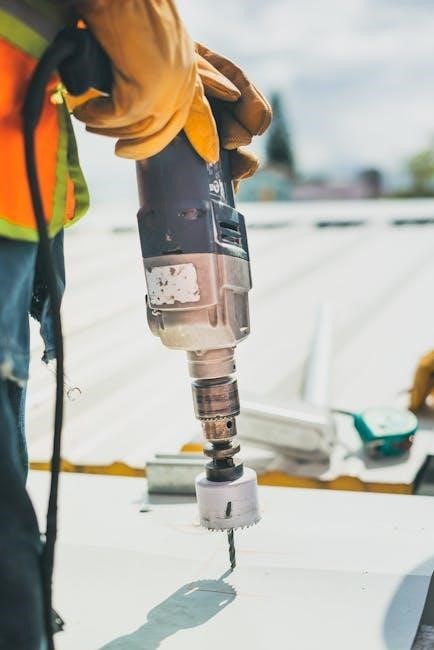
Pre-installation requires site preparation, space verification, and compatibility checks. Safety protocols, regulatory compliance, and necessary permits must be addressed to ensure a smooth and safe installation process.
3.1 Site Preparation and Space Considerations
Ensure the installation site is clear of debris and obstacles. Verify the space meets the TEM6 unit’s dimensional requirements, including clearance for maintenance access; Check that the floor is level and stable to support the unit’s weight. Ensure proper drainage and proximity to necessary utilities like power and water supplies. Maintain adequate clearance around the unit for airflow and technician access. Confirm the site complies with local building codes and safety standards. Proper site preparation ensures efficient and safe installation, minimizing potential issues during operation.
Plan for future maintenance by ensuring easy access to the unit and its components.
3.2 Compatibility Check with Existing Systems
Before installing the TEM6, ensure it is compatible with existing HVAC systems, controls, and infrastructure. Verify electrical specifications, such as voltage and current requirements, match the building’s electrical setup. Check communication protocols to ensure seamless integration with other systems, like thermostats or building management systems. Confirm physical connections, such as ductwork and plumbing, align with the TEM6’s design. Address any compatibility issues to prevent operational conflicts. Proper compatibility ensures efficient system performance and avoids potential installation or operational issues down the line.
Consult the manufacturer’s guidelines for detailed compatibility requirements and recommendations.
3.3 Safety Guidelines and Precautions
Always follow safety guidelines when installing the TEM6 system to minimize risks. Wear personal protective equipment, including hard hats, safety glasses, and gloves. Ensure the area is well-ventilated to avoid inhaling dust or fumes. Disconnect power supplies before handling electrical components to prevent shock or injury. Use proper lifting techniques to avoid strain or damage to equipment. Keep flammable materials away from the installation site. Follow the manufacturer’s instructions for tools and equipment. Have a first aid kit and fire extinguisher nearby. Adhere to local safety regulations and standards throughout the process.
Never bypass safety precautions to expedite installation, as this could lead to accidents or system damage.

Installation Process
The TEM6 installation involves a sequential process, starting with unit mounting, followed by electrical connections, ductwork installation, and final plumbing setup. Each step requires precision and care to ensure proper system operation and safety.
4.1 Mounting and Positioning the Unit
Mounting and positioning the TEM6 unit is critical for optimal performance. Ensure the surface is level using a spirit level and secure the unit with screws or brackets to prevent vibration. Proper anchorage prevents shifting during operation. Position the unit in a well-ventilated area, maintaining clearance from walls and obstacles as specified. Align the unit to facilitate easy access for maintenance and ensure compatibility with existing ductwork. Double-check the positioning to confirm it meets all safety and operational requirements before proceeding with further installation steps. Improper mounting can lead to reduced efficiency or system damage.
4.2 Connecting Electrical Components
Connecting the electrical components of the TEM6 requires precision and adherence to safety protocols. Begin by disconnecting the power supply to ensure a safe working environment. Identify and label all terminals according to the wiring diagram provided. Connect the power supply wires to the designated terminals, ensuring secure connections to prevent loose contacts. Verify compatibility of the electrical components with the system’s voltage and current requirements. Use appropriate tools to tighten connections firmly. Double-check all wiring with a multimeter to ensure proper continuity and insulation. Follow the manufacturer’s guidelines for grounding to prevent electrical hazards. Complete the process by powering up the system and testing all electrical functions.
4.3 Ductwork Installation and Connections
Begin by ensuring the installation area is clear and safe. Measure and cut duct sections to the required lengths using a duct cutter or saw. Assemble the ductwork by securely connecting sections with approved fittings and fasteners. Apply sealants or gaskets to all joints to ensure airtight connections. Mount the ducts to the TEM6 unit and other HVAC components, ensuring proper alignment. Test the ductwork for leaks using a pressure test kit. Inspect all connections for tightness and stability. Follow the manufacturer’s guidelines for specific ductwork configurations and material recommendations to optimize system performance.
4.4 Plumbing and Drainage Setup
Connect the water supply lines to the TEM6 unit, ensuring all fittings are secure and compatible with system requirements. Install the condensate drain line, routing it to a suitable drain location. Use approved materials to prevent corrosion and blockages. Ensure proper venting to maintain airflow and prevent siphoning. Inspect all connections for leaks and tighten as needed. Install a drain trap if required by local codes. Test the system by running water through it to verify proper flow and drainage. Follow safety guidelines to avoid water damage or electrical hazards during setup. Ensure compliance with local plumbing regulations and standards.

Post-Installation Steps
After installation, perform system testing, conduct safety checks, and orient the owner on system operation. Ensure all components function correctly and address any issues promptly.
5.1 System Testing and Commissioning
System testing ensures the TEM6 operates efficiently and safely. Begin by verifying electrical connections and airflow. Test temperature controls and drainage systems for proper function. Run the unit through various operating modes to confirm smooth performance. Check for leaks, unusual noises, or malfunctions. Ensure all safety features, such as emergency shutdowns, are functional. Document test results and address any issues promptly. Finally, confirm the system meets specified performance criteria before handing over to the user. This step ensures reliability and prepares the system for long-term operation.
5.2 Final Safety Checks
Conduct a final safety inspection to ensure all components are secure and functioning correctly. Verify that emergency shutdown mechanisms, such as high-temperature cutoffs and pressure switches, are operational. Inspect electrical connections for tightness and proper insulation. Check for gas or refrigerant leaks using appropriate detection methods. Ensure proper ventilation and airflow to prevent hazardous conditions. Review all safety documentation and ensure compliance with regulations. Perform a final walkthrough with the system operational to confirm safe and efficient performance. Address any remaining issues before final handover to the user.
5.3 Owner Orientation and Manual Handover
Once installation is complete, conduct a thorough orientation session with the owner. Explain the system’s operation, highlighting key features and controls. Review safety guidelines, maintenance routines, and emergency shutdown procedures. Provide a detailed manual and ensure the owner understands its contents. Demonstrate how to monitor performance and address basic issues. Offer contact information for technical support and schedule follow-up visits if required. Ensure the owner is confident in operating the TEM6 system and aware of warranty terms and conditions. This step ensures smooth transition and long-term system reliability.

Technical Specifications and Data
This section provides detailed technical specifications and data for the TEM6 system, including electrical requirements, performance metrics, and wiring diagrams. Essential for installers and technicians to ensure compatibility and compliance with industry standards.
6.1 Electrical Data and Requirements
The TEM6 system requires a 230/400V, 50Hz power supply. Maximum power consumption is 12kW, with a starting current of 45A. A dedicated 32A circuit breaker is recommended. Ensure wiring conforms to local electrical codes, using cables rated for 600V. The unit operates on a three-phase system, with neutral and earth connections. Grounding is crucial for safety. Install a surge protector to prevent voltage spikes. Always verify compatibility with existing electrical infrastructure before powering up. Consult local regulations for specific requirements. Proper electrical setup ensures safe and efficient system operation.
6.2 Performance Metrics and Ratings
The TEM6 system is designed to deliver high-efficiency performance, with an EER of 12.0 and a SEER rating of 20.0. Airflow ranges from 800 to 2,000 CFM, ensuring optimal air distribution. The unit operates with a sound level of 70 dBA or less, making it suitable for noise-sensitive environments. Temperature range is 50°F to 115°F for heating and 30°F to 80°F for cooling. The system achieves an AFUE rating of 98%, indicating high energy efficiency. These metrics ensure reliable and energy-saving operation, meeting or exceeding industry standards for HVAC systems. Proper installation is essential to maintain these performance levels.
6.3 Wiring Diagrams and Schematics
Wiring diagrams and schematics are essential for proper TEM6 installation and troubleshooting. These diagrams detail electrical connections, component relationships, and control circuits. Located in the manual, they provide step-by-step guidance for installers. Key elements include terminal identifications, wire color codes, and voltage specifications. Schematics highlight power supply connections, thermostat interfaces, and sensor linkages. Use these diagrams to ensure compliance with electrical standards and system compatibility. They also aid in diagnosing issues during commissioning. Always refer to the official TEM6 manual for accurate and updated schematics to avoid installation errors and ensure safe, efficient system operation.
Maintenance and Troubleshooting
Regular maintenance ensures optimal performance and extends the TEM6 system’s lifespan. Routine checks include filter cleaning, duct inspections, and component lubrication. Troubleshooting involves diagnosing common issues like airflow restrictions or electrical malfunctions using diagnostic tools and error codes. Refer to the manual for detailed maintenance schedules and repair guidelines to maintain efficiency and safety. Proper upkeep prevents major breakdowns and ensures reliable operation.
7.1 Routine Maintenance Schedule
A well-structured maintenance schedule is crucial for the TEM6 system’s efficiency. Monthly, inspect and clean air filters, and ensure vents are unobstructed. Quarterly, check electrical connections and verify proper system operation. Annually, clean the condenser coil, inspect refrigerant lines for leaks, and replace worn-out components. Additionally, schedule professional servicing every two years to maintain performance and compliance. Keep a maintenance log to track all activities and ensure accountability. Regular checks prevent unexpected failures and optimize energy consumption, ensuring the system operates safely and efficiently throughout its lifespan.

7.2 Common Issues and Solutions
The TEM6 system may encounter issues such as reduced airflow, unusual noises, or inconsistent cooling. For reduced airflow, clean or replace filters and check for blockages in ducts. Strange noises often indicate loose components or misaligned fans, which can be tightened or adjusted. Inconsistent cooling may result from thermostat missettings or refrigerant leaks. Address leaks promptly by sealing connections or replacing damaged lines. Always refer to the troubleshooting guide for specific solutions. Regular maintenance and timely repairs ensure optimal performance and extend the system’s lifespan while preventing major breakdowns.
7.3 Diagnostic Tools and Techniques
For diagnosing issues with the TEM6 system, use tools like multimeters, pressure gauges, and thermometers to measure electrical, pressure, and temperature parameters. Employ techniques such as visual inspections for leaks or blockages and system log analysis for error codes. Bypass testing can isolate faulty components, while performance benchmarking helps identify deviations from normal operation. Always refer to the user manual for specific diagnostic procedures. These tools and methods ensure accurate troubleshooting, enabling swift resolution of problems and minimizing downtime. Proper diagnostic practices are essential for maintaining system efficiency and reliability over time.
Safety Best Practices
Adhere to safety best practices by wearing protective gear, ensuring proper ventilation, and following manufacturer guidelines to prevent accidents and ensure a safe working environment.
8.1 Handling Electrical Components Safely
Handling electrical components safely is critical to prevent accidents and ensure system reliability. Always disconnect power supplies before working on electrical parts. Use insulated tools to avoid shocks, and verify voltage absence with a multimeter. Ground the system properly to prevent electrical hazards. Avoid overloading circuits, and ensure all connections are secure. Wear personal protective equipment (PPE), such as gloves and safety glasses, when handling live components. Follow lockout/tagout procedures to ensure safety during maintenance. Consult the manual for specific electrical safety guidelines tailored to the TEM6 system.
8.2 Proper Use of Tools and Equipment
Proper use of tools and equipment is essential for safe and effective installation. Always select tools compatible with the TEM6 system to avoid damage or injury. Use screwdrivers, wrenches, and pliers as specified in the manual. Regularly inspect tools for wear or damage, and replace them if necessary. Follow manufacturer guidelines for tool usage to ensure accuracy. Avoid using unauthorized tools, as they may cause system malfunctions. Employ correct techniques to prevent accidents, such as securing loose clothing and keeping work areas tidy. Proper tool storage after use prevents loss and ensures availability for future maintenance.
8.3 Emergency Shutdown Procedures
In case of an emergency, initiate the TEM6 system shutdown immediately to ensure safety. Locate the emergency stop button, typically red and accessible on the control panel. Press and hold it to halt all operations. Next, switch off the main power supply at the electrical panel. Isolate the system from gas, water, and electrical connections if possible. Evacuate the area and contact professional support. Do not restart the system without a thorough inspection by certified personnel. Always follow these steps to prevent accidents and protect equipment. Regular drills ensure preparedness and adherence to safety protocols.

Compliance and Regulations
Ensure the TEM6 system meets all national and local regulations. Adhere to environmental and safety standards. Obtain necessary permits and certifications for compliance. Regular inspections are mandatory for maintaining legal and operational standards.
9.1 National and Local Building Codes
The TEM6 installation must comply with all applicable national and local building codes. Installers should verify requirements for HVAC systems in their region. Adherence to structural, electrical, and safety standards is mandatory. Ensure compliance with ASHRAE and IMC standards for proper installation. Local building authorities may have additional regulations, so it’s essential to review and incorporate these into the installation plan. Obtain necessary permits before starting the project. Failure to comply may result in legal issues or system non-approval. Always consult local building code officials for specific requirements and amendments. Compliance is non-negotiable for safe and legal operation.
9.2 Environmental and Safety Standards
The TEM6 system must be installed in compliance with environmental and safety standards to minimize ecological impact and ensure safe operation. Adhere to energy efficiency guidelines and emissions standards set by regulatory bodies like ENERGY STAR. Proper handling and disposal of refrigerants and hazardous materials are mandatory. Installers must follow OSHA safety protocols to protect personnel and prevent accidents. Ensure compliance with noise pollution regulations and local environmental protection laws. Regular inspections are recommended to maintain adherence to these standards. Compliance with these standards ensures the system operates safely and sustainably, meeting both regulatory and environmental expectations.
9.4 Compliance Documentation
Proper compliance documentation is essential for verifying adherence to regulations and standards. Maintain detailed records of all inspections, certifications, and approvals. Include permits, installation certificates, and compliance reports specific to local and national codes. Ensure all documentation is up-to-date and easily accessible for audits. Record serial numbers, model specifications, and any system modifications. Keep a log of maintenance activities and safety inspections. This documentation serves as proof of compliance and ensures accountability. Regularly update records to reflect system changes or upgrades. Accurate and complete documentation is critical for meeting regulatory requirements and avoiding potential legal issues.
The TEM6 Installation Manual guides users through successful installation and operation, ensuring adherence to safety, efficiency, and durability. This conclusion summarizes the key steps without redundancy.
10.1 Summary of Key Installation Steps
The TEM6 installation process involves several critical steps to ensure optimal performance. Start with proper site preparation, including space clearance and compatibility checks. Next, mount and position the unit accurately, ensuring level placement. Connect electrical components securely, adhering to wiring diagrams and safety standards. Proceed with ductwork installation, sealing joints to prevent leaks. Plumbing and drainage setup must follow local codes. Finally, test the system thoroughly, checking for leaks, electrical continuity, and proper airflow. Always follow safety guidelines and consult the manual for detailed instructions to guarantee a successful installation.
10.2 Final Thoughts on Successful Installation
Completing the TEM6 installation is a significant accomplishment, ensuring your system operates efficiently and reliably. By following the manual and adhering to best practices, you’ve maximized performance and longevity. Proper installation enhances energy efficiency, reduces operational costs, and ensures safety. Schedule routine maintenance to uphold optimal functionality. If issues arise, refer to the troubleshooting section for quick resolutions. A well-installed TEM6 system promises years of dependable service, providing comfort and satisfaction. Congratulations on a job well done!